NatureNib
Published in Press
My writing right with insight and passion has rightfully borne 700 articles on ecological issues in the pages of newspapers, magazines and websites…
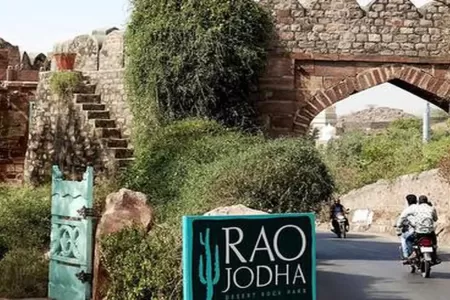
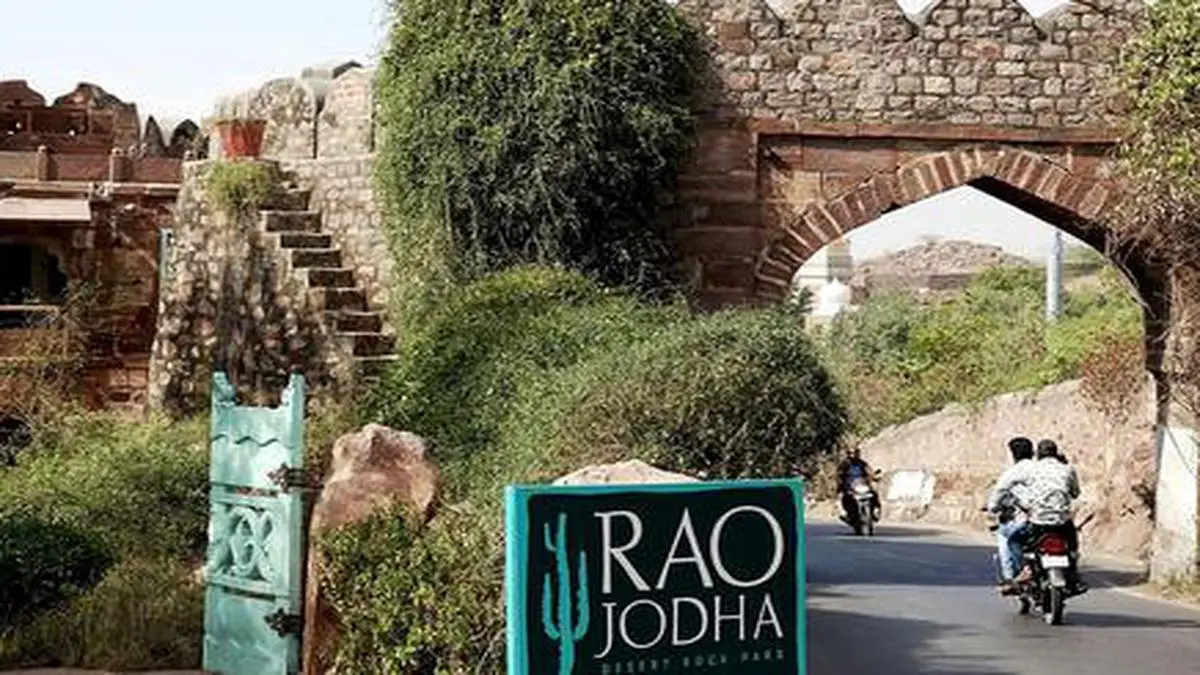
A desert that bloomed rock by rock
How the Rao Jodha Desert Rock Park in Jodhpur was nursed back to its original vegetation. Snugly located alongside the mighty walls of the magnificent Mehrangarh fort of Jodhpur is the fascinating Rao Jodha Desert Rock Park (RJDRP). However, what one sees today is a vastly different picture from what it was many years ago. Choking the landscape then was mad-weed or Prosopis Juliflora, locally called baavlia, a hardy shrub, introduced almost a century ago into the terrain.
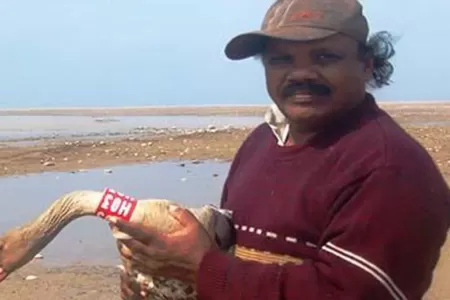
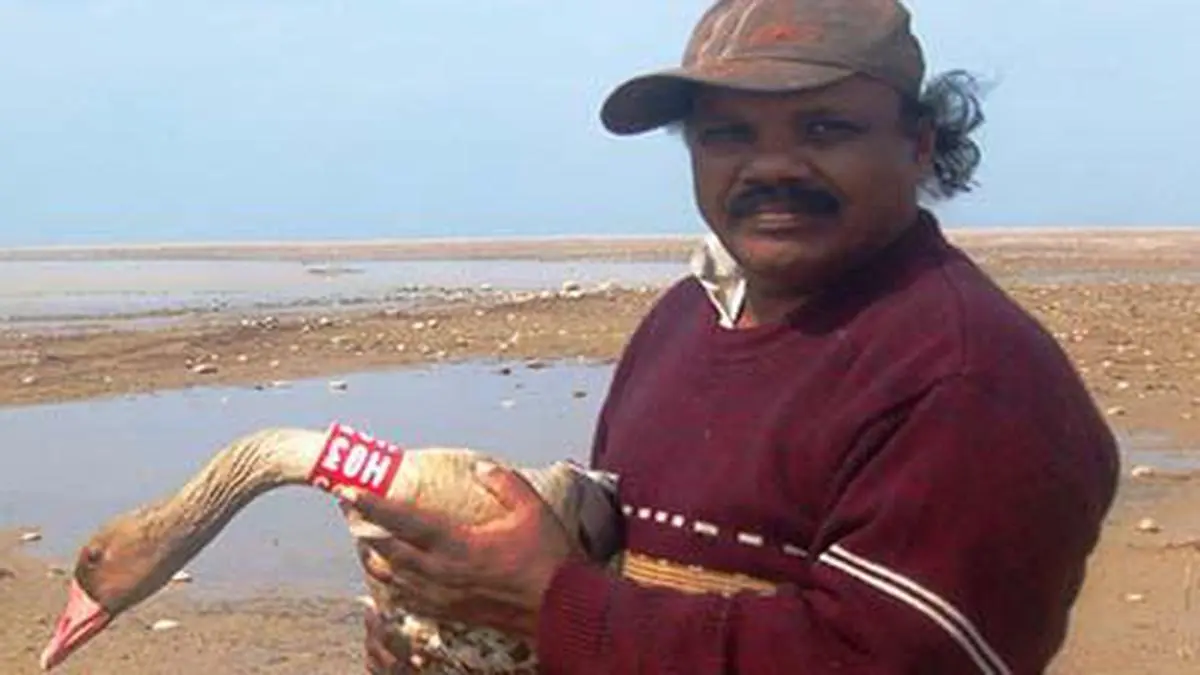
Chilika Lake - wings at work and villagers on vigil
Conservation efforts by individuals and organisations have transformed poachers into protectors. Twenty five years ago, when S Balachandran, Deputy Director of the Bombay Natural History Society, first visited Chilika Lake, he was amazed at the beauty of birds frolicking in its waters. The boisterous blue lagoon was teeming with lakhs of winged visitors jostling for space in the sun. Birds like godwits, plovers, sandpipers, stints, ducks, geese, and other waterfowl conducted glorious fly-pasts across the sky. It was a magnificent sight to behold, he recalls.

India has lost nearly 500 elephants to unnatural factors since 2013
Of the 490 deaths recorded in the past 5 years, more than half the deaths - 267 - occurred due to electrocution. New Delhi: The death of a wild elephant while trying to escape angry villagers in Karnataka's Nagarhole National Park last week triggered widespread outrage on social media.The 42-year-old animal's death is the latest reminder of the pachyderm problem in India. According to Environment Ministry data accessed by ThePrint, in the last five years, nearly 500 elephants have died in the country due to unnatural factors.
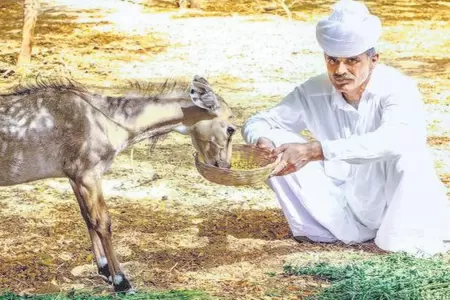
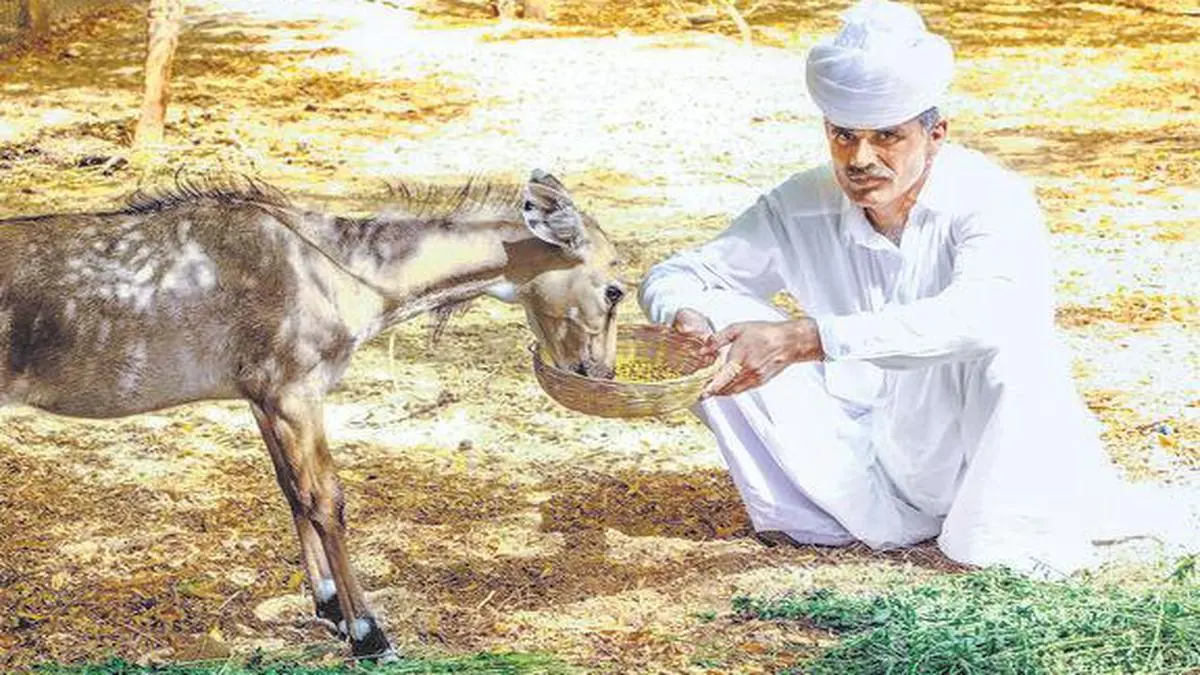
Devoted to desert denizens
Meet Peera Ram Bishnoi, the mechanic who became an animal saviour. The national highway is a killer, responsible for frequent road deaths of wildlife, says 50-year-old Peera Ram Bishnoi of Rajasthan. Chinkara deer, Nilgai antelopes, desert foxes, desert cats and civets - these are some of the animals that are killed while crossing the road, knocked down by fast-moving vehicles, mostly during the night, he says. Those that die on the spot are, in a sense, fortunate, others might suffer immense pain followed by a slow death with nobody at hand to provide help. Increase in road construction and vehicular traffic has seen an upswing in road hits and killing of animals.
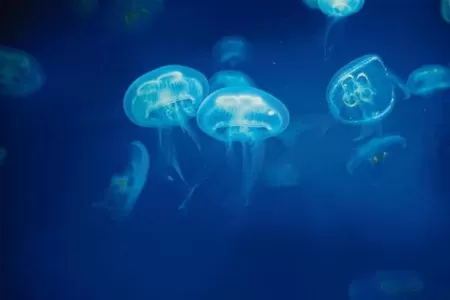
Biomimicry: The natural blueprint
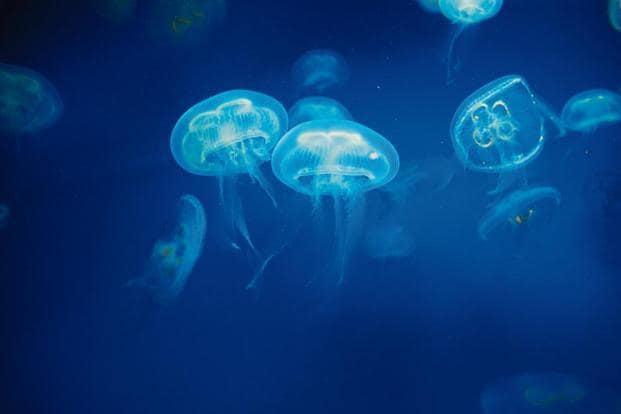
The jellyfish is a rather elegant marine creature that has lived in the oceans for millions of years. Its translucent body and hypnotizing movement make it a fascinating animal. But the fact remains that it is a deadly predator. Its tentacles are laced with nematocysts (stinging cells), which are triggered when they come in contact with a prey or other objects.

Greenwashing is an elusive CSR attempt
Greenwashing is a phrase used in advertising to describe initiatives taken by organisations to preserve the environment; this they do to improve their public image. The term 'greenwashing' is in use since the 1960s, but became famous in the 1990s when environmental awareness became a movement across the world. Organisations struggle to get public attention and customers' mind share; pretending to be environment-friendly is one such attention-seeking measure.
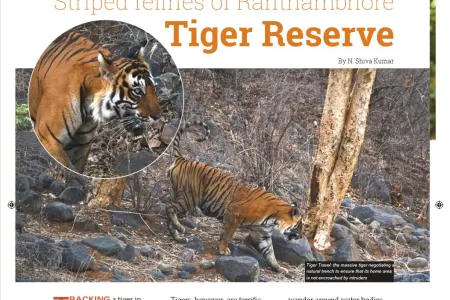
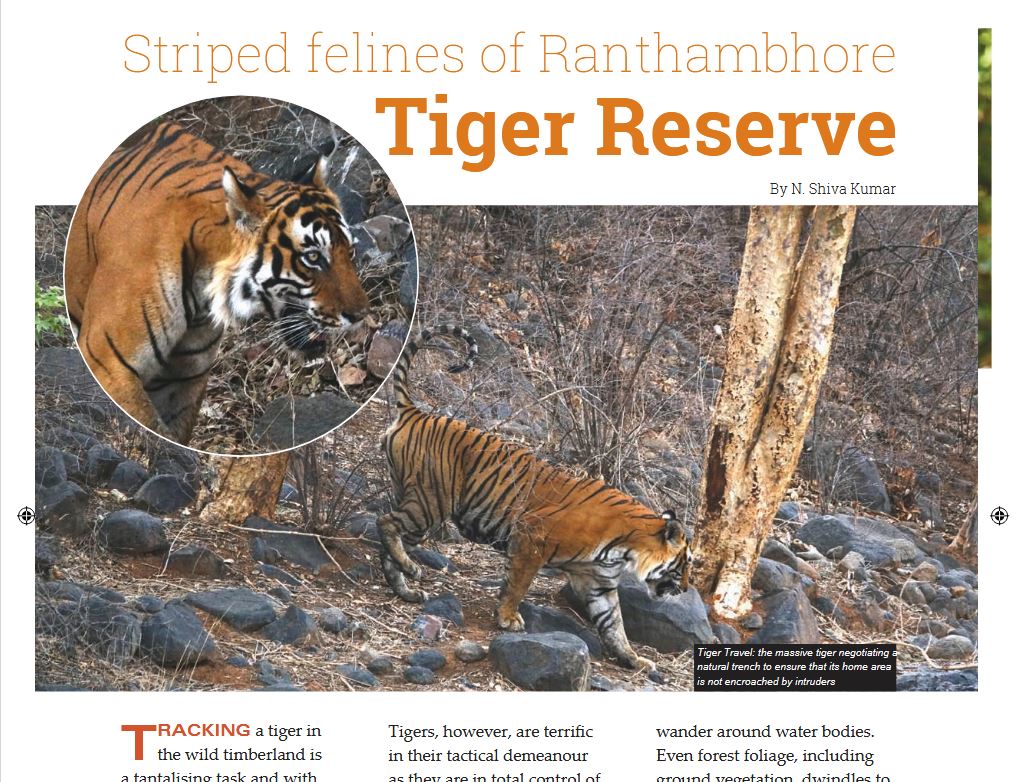
Striped felines of Ranthambhore Tiger Reserve
TRACKING a tiger in the wild timberland is a tantalising task and with tenacity to see the big cat in the jungles, I set out for an adrenaline-rush-adventure to Ranthambhore Tiger Reserve (RTR). The scorching tropical Indian summer heat was hovering at 42-degree centigrade, blazing hot as if the forest was on fire, but it was no deterrent for me.
Green, green plants at IndianOil
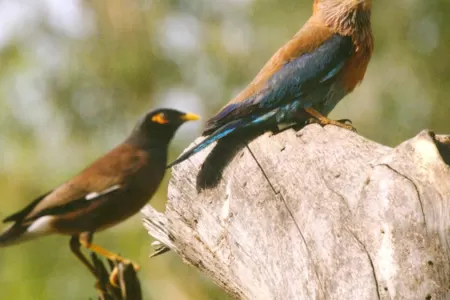
"A Breath of Fresh Air" is a notable document on the biodiversity around Indian Oil refineries, writes Sangeeta Barooah Pisharoty in THE HINDU. The cover image of a crimson sunbird perched precariously on a tree branch on what looks like a wet monsoon morning, is alluring enough. And then the name, "A Breath of Fresh Air", adds to your temptation and you pick this colourful picture book which to any reader clearly looks like a celebration of nature. Run your fingers through it and what you find is an impressive string of images - of birds, both local and migratory, water bodies brimming with tranquillity and herbs and plants in varied hues. The over-100 page tome in the shape of a school goer's drawing book, documents the flora and fauna of the eco-parks spread around 10 refineries of the lubricant giant, Indian Oil. It comes with an exhaustive list of the winged creatures exclusive to each refinery.
A sanctuary and a livelihood
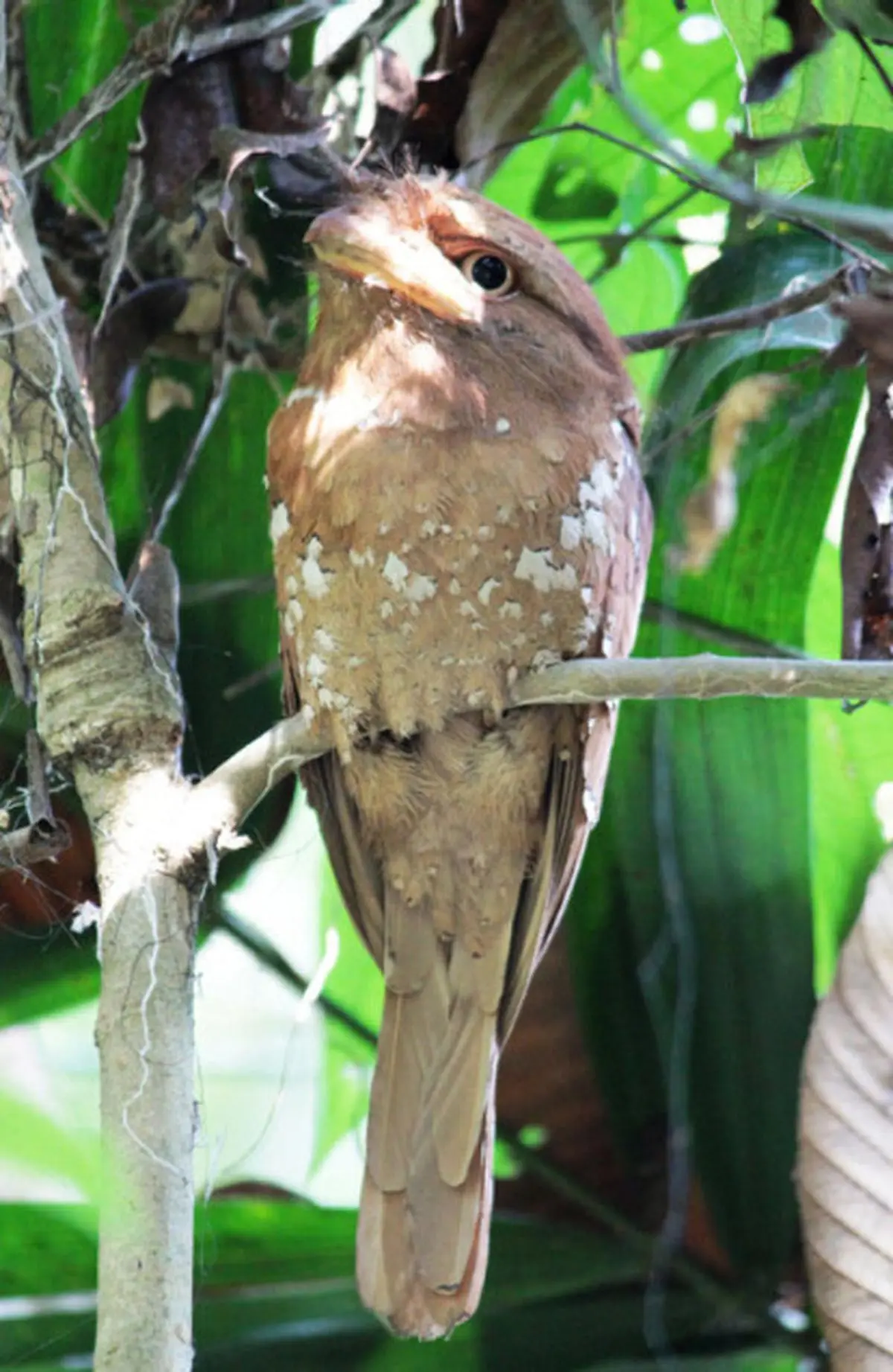
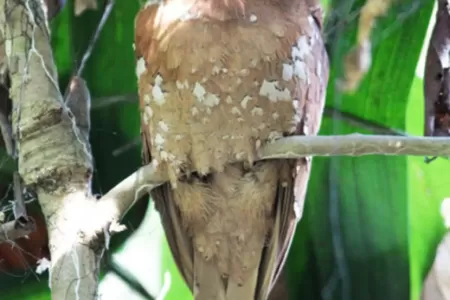
Phantom of the forest: Hidden in foliage, the Frogmouth rarely ventures out in the day N Shiva Kumar. The rare Frogmouth bird fuels the local economy in Kerala's Thattekad village High on the wish-list of curiosity chasers is the Frogmouth, considered the "weirdest" bird in the world. Also known as the 'phantom of the forest', it has empowered the entire economy of a village in Kerala.
When fans of the fig came together
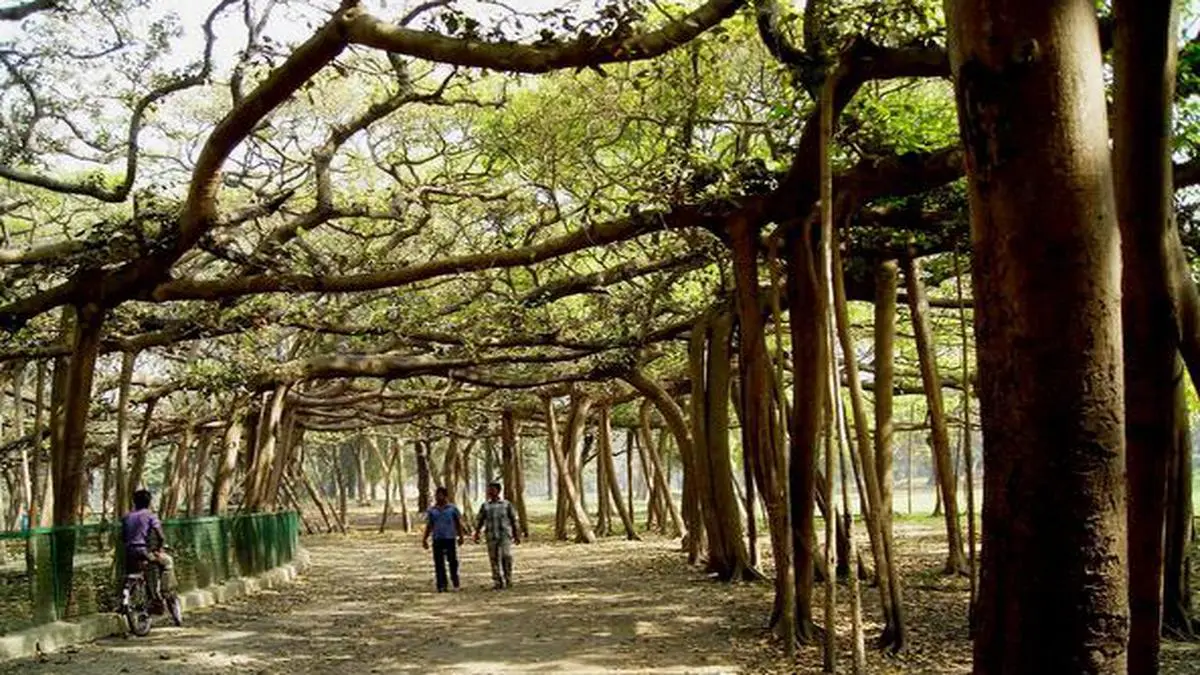
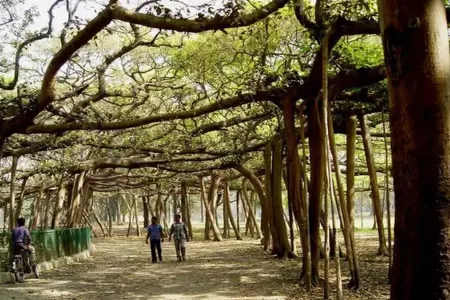
Fascination for this complex plant species has led to enriching research by a team of botanists focussing on the Eastern ghats When a young botanist and two veterans team up, something unique is bound to happen. And so it was with the trio of Dr JV Sudhakar, his guide Dr GVS Murthy and Dr N Chandra Mohan Reddy, who came together to bring out the only book on Indian figs after Independence.